

What is rhinitis
Understanding Allergy
How do we breath? Your nose is the main opening for your respiratory system, enabling you to inhale air into the body through 2 nostrils. The nostrils contain a number of short, stiff hairs which respond to physical stimuli and may cause itching, tickling and sneezing. A healthy nose will filter and condition the air so that when it enters the lungs, it is warm and humidified. The delicate lung tissue is therefore protected from cold dry air and cannot be damaged by small particles like dust and pollen. We are able to smell the air as it flows through the nose, which contributes to our sense of flavour when we taste.
What happens when the nose responds to chemical or physical irritation? The nasal passages can become inflamed and the nose can become runny. The result is a 'stuffy' nose, which can lead to difficulties in breathing.
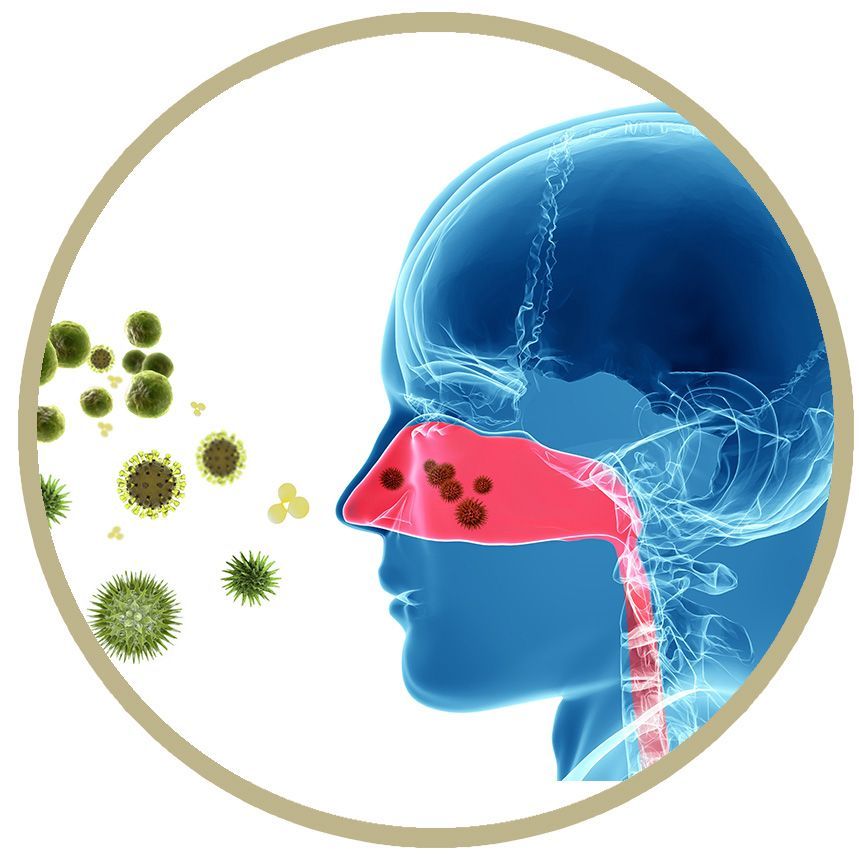
What are some causes of allergy?
The most common causes of rhinitis are:
- Pollen given off by trees, grass, and weeds
- Dust mites
- Mold
- Cockroach waste
- Animal dander
- Fumes and odors
- Temperature
- Hormonal changes
- Certain medicines and overuse of topical nose sprays
- Changes in the environment
- Smoke
- Certain foods or spices
Symptoms of rhinitis include:
- Sneezing
- Stuffy nose
- Runny nose
- Itchy nose, throat, eyes, and ears
- Nosebleeds
- Clear drainage from the nose
- Ear infections that keep coming back
- Snoring
- Breathing through the mouth
- Tiredness
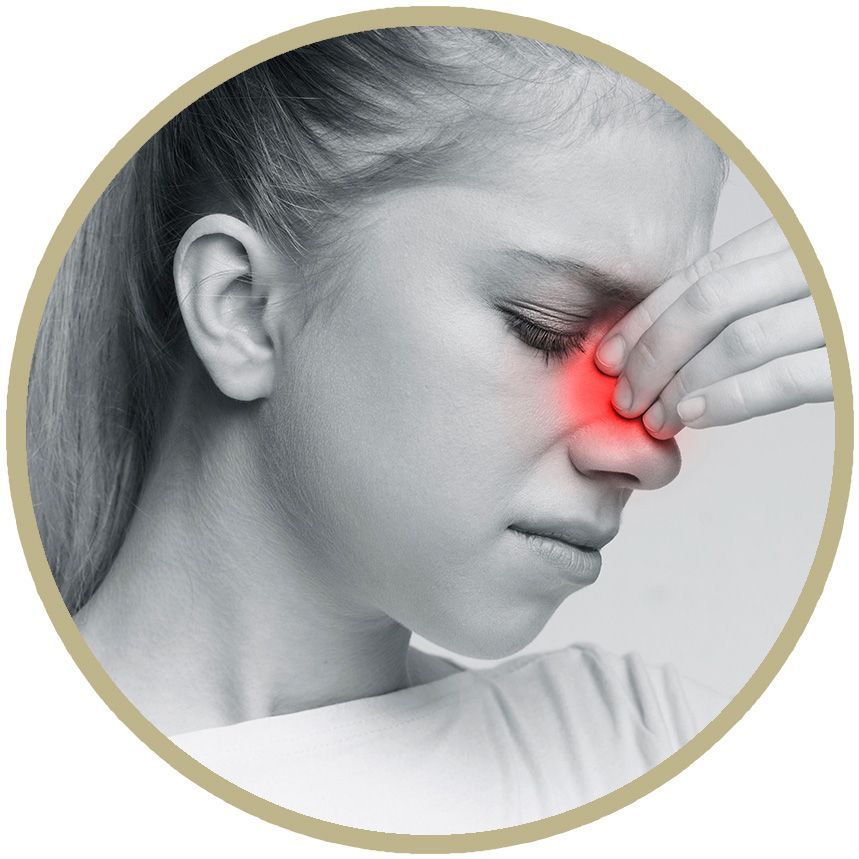
How do we relieve ourselves of allergy symtoms?
- Physical Nasal Wash
- Avoid allergic items
- Wear Mask